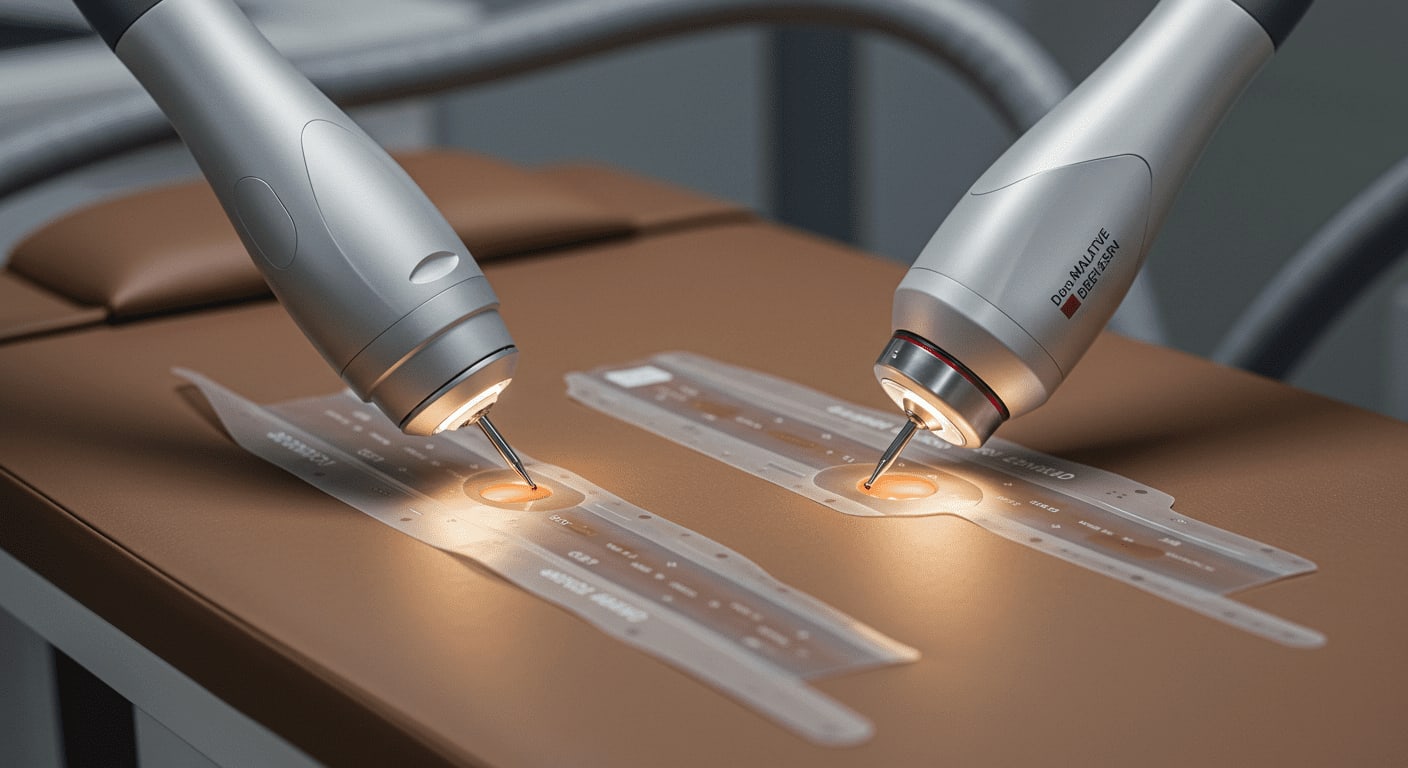
Laser treatments have revolutionized the world of skin rejuvenation, offering solutions for wrinkles, scars, pigmentation, and texture issues. But for individuals with sensitive skin, the choice between Non-Ablative vs. Ablative Lasers can feel overwhelming. Each option has unique benefits, risks, and recovery times, and choosing the right one is critical to achieving safe, effective results.
This guide explores the differences between non-ablative and ablative lasers, their impact on sensitive skin, and what to consider before booking your next treatment.
TLDR – Quick Guide
- Non-Ablative Lasers: Milder, no skin removal, minimal downtime
- Ablative Lasers: More aggressive, removes outer skin layer, longer recovery
- Sensitive skin patients often respond better to non-ablative options
- Both should be performed by experienced, licensed providers
- Safety depends on skin type, concerns, and proper aftercare
Detailed Breakdown
What Are Non-Ablative Lasers?
Non-ablative lasers target the deeper layers of skin without damaging the surface. They stimulate collagen production, improving fine lines, pigmentation, and overall texture with minimal downtime. These treatments are typically gentler, making them a safer choice for individuals with sensitive skin.
What Are Ablative Lasers?
Ablative lasers remove the outermost layer of skin to encourage full resurfacing and renewal. They deliver dramatic results for deeper wrinkles, scars, and significant sun damage but require longer healing periods. Patients with sensitive skin may experience heightened redness, peeling, and irritation after treatment.
Key Differences Between the Two
- Intensity: Ablative is more aggressive, while non-ablative is gentler.
- Downtime: Non-ablative requires little recovery; ablative may take 1–3 weeks.
- Results: Ablative often produces faster, more dramatic changes; non-ablative provides gradual, subtle improvements.
Which Is Safer for Sensitive Skin?
For sensitive skin, non-ablative lasers are usually the safer and more comfortable option. They minimize surface trauma while still delivering noticeable improvements. However, in some cases of severe damage, ablative lasers may be recommended with extra precautions and professional aftercare.
Safety and Aftercare Tips
- Always consult a licensed provider who understands sensitive skin.
- Follow strict aftercare, including hydration, sun protection, and gentle skincare.
- Avoid harsh products or exfoliation until fully healed.
Key Takeaways
- Non-Ablative vs. Ablative Lasers differ in intensity, downtime, and skin resurfacing approach.
- Sensitive skin generally fares better with non-ablative treatments.
- Ablative lasers may be effective for severe damage but carry higher risk.
- Professional guidance and aftercare are critical to safety.
- Choosing the right treatment ensures results without unnecessary irritation.
FAQs
What’s the main difference between Non-Ablative vs. Ablative Lasers?
Non-ablative lasers heat the deeper skin layers without harming the surface, while ablative lasers remove the outer layer entirely. This makes ablative more intense but also riskier for sensitive skin. Both stimulate collagen and improve skin quality.
How long is the recovery for each?
Non-ablative treatments usually require little to no downtime, with mild redness that fades in a day or two. Ablative lasers can take 1–3 weeks to heal, depending on the intensity. Sensitive skin may extend recovery times further.
Are results permanent?
No, results aren’t permanent since skin naturally ages over time. Non-ablative lasers provide gradual, lasting improvements with maintenance sessions. Ablative lasers deliver dramatic results, but maintenance is still required.
Can sensitive skin handle ablative lasers?
It depends on the individual. Sensitive skin can react strongly to ablative treatments, but with the right provider and cautious settings, it may still be an option. A detailed consultation is essential before deciding.
Which is more cost-effective?
Non-ablative lasers often require multiple sessions but are less expensive per treatment. Ablative lasers cost more upfront but may achieve results in fewer sessions. The best value depends on your skin goals and tolerance for downtime.
Dr. Sun
Professional beauty and wellness expert dedicated to providing the highest quality care for our clients.